

The Shadow Is Not Evil
Demystifying Jungian Psychology #4

Demystifying Jungian Psychology is a series unraveling common misconceptions surrounding Jungian theories. Each installment explores a key concept, clarifying its core meaning and relevance, while shedding light on how these ideas can be applied to inner work.
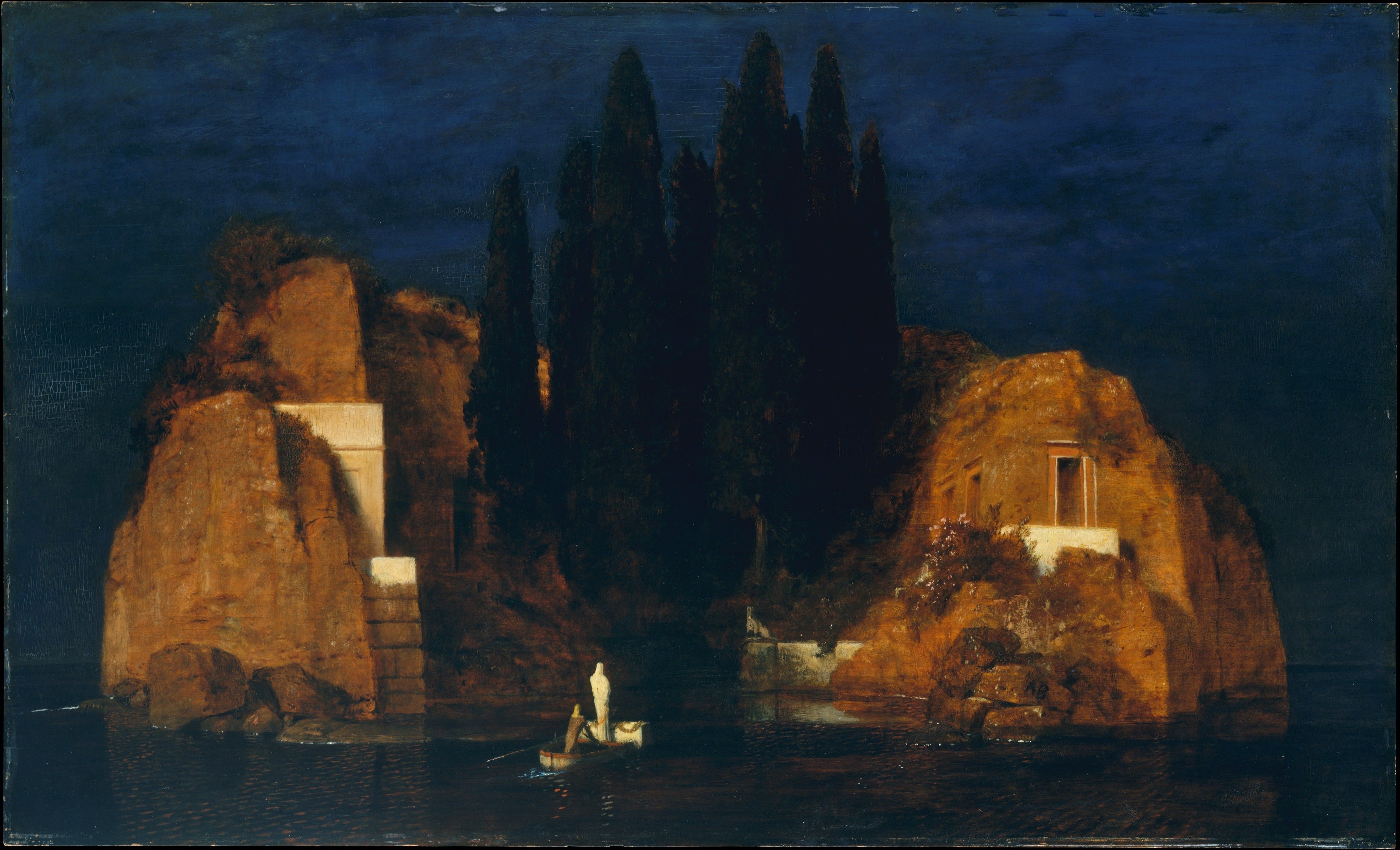
“If it has been believed hitherto that the human shadow was the source of all evil, it can now be ascertained on closer investigation that the unconscious man, that is, his shadow, does not consist only of morally reprehensible tendencies, but also displays a number of good qualities, such as normal instincts, appropriate reactions, realistic insights, creative impulses, etc.”
— C.G.Jung, Aion (CW 9.2)
Misconception: The shadow contains only negative, evil, or undesirable qualities and dynamics1.
Actual Theory: The shadow is all that is unconscious within the psyche, ranging from positive, negative and neutral dynamics.
With remarkable force, the concept of the shadow has propelled itself into contemporary discourse and inner work with gusto. Curious seekers yearning for a sense of reconciliation, healing, and transformation turn to so-called “shadow work” practices for salvation. There, they are instructed to consider the most negative traits they can imagine—jealous attitudes, the capacity for violence, oppressive beliefs, malice, hypocrisy, corruption—and to meet these dark impulses within. Though this focus is not entirely incorrect or impractical, it does fuel misconceptions.
As often happens with ideas that have strayed far from their theoretical source, the shadow has taken on a distorted life of its own. Cast always in a pejorative light, the rich world of the shadow compresses into a narrow funnel. We seek to only unearth that which is distasteful, reprehensible, undesirable. But this is only one aspect of the shadow. As Jung reminds us in the quote above, the shadow is also that which is good, creative, appropriate, constructive. Its relegation to the dark corners of the psyche are not an indication of its moral qualities; it’s a product of adaptation and the typical pathways of our psychic nature.
Perhaps our demonization of the shadow should not be so surprising. At least, here in the Western world, we’ve fallen into a cultural trap of fearing that which is unknown or obscured, that which shimmers with the air of the underworld, that which resists logic, order, and rationalism.
Consider the image and symbolism of the shadow. It is that which defies the light, that hides just beyond our sight, that blocks luminescence from shining forth in all its grandeur. Shadow can be a respite from the blinding, scorching nature of the sun, a darkened refuge which cools, replenishes, and regulates.
It is also the realm of the night-world, whose fabled undercurrents have driven terror into the hearts of those who read about demons, devils, ghosts, and hauntings. It’s the monster hiding beneath the bed, the ghastly figure stalking you in dreams, the fear of the dark, or the trickery of Mephistopheles as you bargain away your soul. Such associations feed into our distrust of the shadow, of our impulsive need to label it as negative or evil.
But the shadow, like the night-world, is also a place of riches and underworld gifts. It offers depth and nuance as the realm of images, symbols, myths, and dreams. It awakens us to lunar ways of seeing through intuition, unconscious perception, and the treasures locked away in the darkness of the psyche. The shadow complements the light, it is its chthonic sibling, companioning conscious experience and fleshing it out with complexity.
For those of us walking the path of individuation, seeking higher awareness and expansion of consciousness, we must acknowledge that the shadow contains all potentials of human expression. What has been denied, ignored, or cast aside might be explosive anger or self-confidence. It might be a traumatic wound that we lacked the resources to handle, or the belief that our creative gifts are worthy for expression in the world.
When we sever off a whole area of shadow potential, we hamstring our individuation efforts. And, unknowingly in the process, perpetuate a dominance of shadow within the psyche.
A Dreamwork Practice to Engage the Shadow
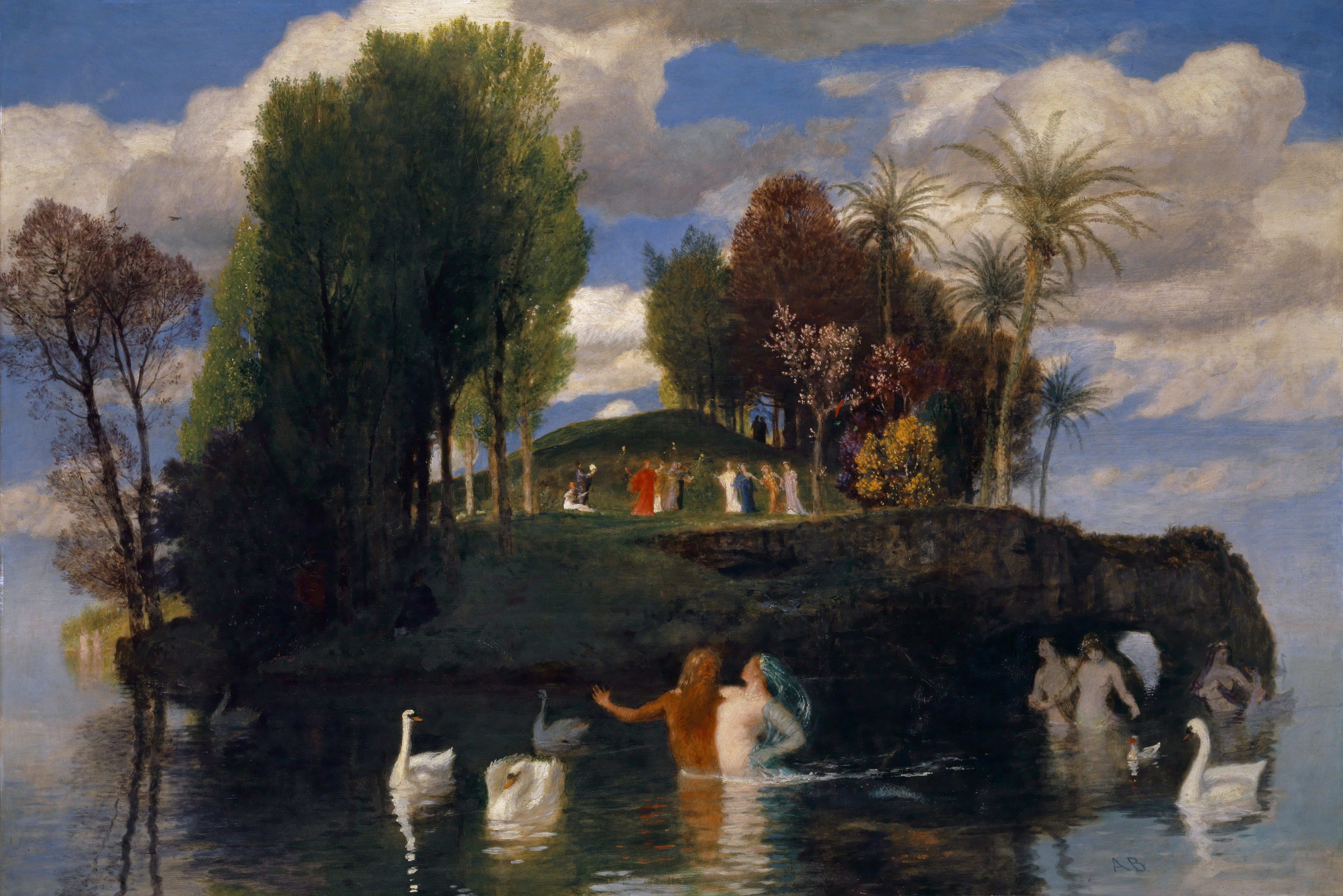
“Whether the unconscious appears at first in a helpful or a negative form, over time there usually arises a need to readapt the conscious attitude in a better way to the unconscious factors — to accept what may seem like “criticism” from the unconscious. Through dreams, one becomes acquainted with aspects of one’s own personality that, for various reasons, one has preferred not to examine too closely. This is what Jung called “the realization of the shadow.”
— Marie-Louise von Franz, Man and His Symbols
In practice, engaging the shadow is challenging because it is felt as antithetical to our image of self. The shadow is egodystonic, it rings with a dissonance and distortion that furthers our resistance to meeting it. This means that becoming aware of shadow is extremely difficult! Attempting to approach it from a purely conscious point of view, say by asking yourself, “What are my bad qualities?” or “What am I hiding from myself?” will only get you so far.
The shadow is uncovered by attuning our awareness to the subtle (or explicit) psychic movements that trip us up, the patterns we can’t seem to break, the reactions that overwhelm us, the feedback we get from loved ones that we struggle to relate to. We can also turn towards the unconscious for insight—like dreams, intuitions, or fantasies—to uncover shadow that is lurking just below the surface.
The feeling as you start to become aware of shadow can range from shock, denial, and upset to even more intense reactions like instability, breakdown, or panic. The shadow should be approached with caution, for we rarely understand the full scope of what lies in darkness. For this reason, it is prudent to shore up the ego and its resources before and during the work. I recommend reading the article I wrote on this topic, The Ego Should Be Strengthened, Not Dissolved, for more on this idea.
Although there are many ways to meet the shadow, I want to offer a dreamwork practice for you to try out. The reasoning is two-fold.
Dreams are a direct entry point into the unconscious and its dynamics. By turning to them, you forsake the conscious position with all of its blindspots and resistances. If we see the greater psyche as purposive and driven towards individuation, then we can trust that what arises in our dreams is in service to fleshing out the ego complex, to developing our sense of wholeness, and to providing us with a path to work with shadow.
Dreams are constructed from the wealth of your inner symbols, showcasing the present psychic situation in imagistic form. Not only does this provide you with a container to hold your experience and draw your interest, it tends to be much more gentle and approachable. Compare that to a painful shadow confrontation of being told that you’re manipulative or that you lack assertiveness. A dream might still have the same message, but its symbolic form invites curiosity and inquiry.
A Dream Incubation Exercise
Though we cannot control or command the unconscious, we can appeal to it, asking for a dream through a technique called dream incubation2. Setting a simple intention, or creating proper dreaming conditions, can stimulate a poignant dream on a topic of your choosing.
Here are a few ways to try it out:
Craft a shadow-related intention or question: The simplest way to incubate a dream is to draw psyche’s attention through a question or intention. It can be as simple as, “What aspect of my shadow should I be aware of?” or, reflecting on the idea of shadow as you drift off to sleep. You can also design a question/intention with a specific situation in mind, such as, “What aspect of my shadow is driving tension in my romantic relationship?”
Place a shadow-themed tarot or oracle card next to your bed: A symbolic image can act as a conduit for unconscious material. Tarot cards such as The Moon, IX of Swords, or The High Priestess can support dreaming of the shadow. Look through a deck of your choosing, pull a shadow-themed card, and place it next to your bed before sleep.
Invoke a dreaming, underworld, or shadow deity: In the mythic realm, we can turn towards powerful archetypal figures to support dreaming life. Legendary beings, gods, deities, and related figures stir and activate the unconscious. Consider one that has a special relationship to dreams, the underworld, or shadow, such as the Lady of the Lake, Morpheus, Hecate, Pluto, or Anubis.
Design a before bed shadow ritual: Ritual is the embodiment of archetypal form, the mythic undercurrents of the psyche made concrete. To stimulate a shadow dream, try a ritual before sleep. Some options include meditating before a black candle, journaling on shadow themes, or doing a shadow related divination.
Remember, the shadow is not just evil, negative, or unseemly. What arises in your dreams might be images of a powerful queen or an adventurous spirit. Take the dream that comes—no matter how its themes might confuse you—and begin to work with it, asking yourself, “Why have I denied this aspect and how can I integrate it further?”
Let’s discuss the shadow
What are your thoughts on the shadow? What practices help you notice, meet, or engage with it? Which Jungian concept should I explore next? Join me in the comments to discuss!
There are many misconceptions of the shadow, so it was hard to choose just one to begin with! As I revive this series, I plan to tackle the others, as well as other Jungian subjects like synchronicity, complexes, etc.
Watch the linked class for more on the theory and practice of dream incubation.
Awesome idea! The lightweight “shadow work” guides I generally skip. This work is not easy. The guides can certainly point the way to the starting points, which is useful.
I usually get elemental forces, shoes, and houses in my dreams. I’ve had a goddess and liminal visitations from spirits and spirit guides pop up too. Not often, tho. I have abilities, so it comes with that life. Sleeping opens one up.
I hadn't known about placing a Tarot card next to the bed to stimulate a shadow-related dream. I've never had the kinds of dreams that seem to get discussed in books and articles. I don't have mythical figures, gods or goddesses in my dreams - just totally weird stuff that makes no sense at all. I write them down and it seems that most of the time, the dreams are reflections of what is going on in my life at the moment. Archetypal dreams? What are those?? :-)